

I’m sure all of us have experienced some forms of anxiety. It can be worrying for that upcoming major exam, a challenging issue at work or trying to make an important decision in life. But when is the line crossed, from the normal, occasional anxiety to an anxiety disorder?
According to WebMD, anxiety disorders are a group of mental illnesses that cause constant and overwhelming anxiety and fear, so much so that it can severely affect one’s social interactions, school, and work. The list isn’t definitive but there are several types of anxiety disorders:
- Agoraphobia
- Anxiety disorder due to a medical condition
- Generalized anxiety disorder
- Panic disorder
- Selective mutism
- Separation anxiety disorder
- Social anxiety disorder
- Specific phobias
- Substance-induced anxiety disorder
It’s not possible to cover every single anxiety disorder in this post but the sites such as WebMD, Mayo Clinic and NIMH provide brief descriptions of them.
I have experienced some forms of anxiety at different points in my life but I didn’t have the knowledge/insight that it was anxiety in its various forms. Without the knowledge I had now back then, the symptoms I experienced has affected the way I navigate through issues in my adulthood. At the time of writing this post, I’m experiencing a mild form of anxiety and I thought I cannot be feeling like this for a long time because it feels terrible! My muscles are extremely tensed to the point it hurts, my stomach feels uneasy, my mood has taken a dip and I can’t stop thinking about the issue so much that I couldn’t find the energy to do my work.
Which is why I’m doubling down that it is essential to know and understand the signs and symptoms of anxiety listed below, and to work on it or seek professional help, if needed:
- Panic, fear, and uneasiness
- Feelings of panic, doom, or danger
- Sleep problems
- Not being able to stay calm and still
- Cold, sweaty, numb, or tingling hands or feet
- Shortness of breath
- Breathing faster and more quickly than normal (hyperventilation)
- Heart palpitations
- Dry mouth
- Nausea
- Tense muscles
- Dizziness
- Thinking about a problem over and over again and unable to stop (rumination)
- Inability to concentrate
- Intensely or obsessively avoiding feared objects or places
Aside from medical treatment for more serious cases, we can definitely practice self-care to ensure we do not fall deeper into the rabbit hole that’s anxiety disorders.
- Cut down on caffeine – it makes anxiety symptoms worse
- Get better sleep – sleeping early and setting aside electronic devices an hour or two before turning in
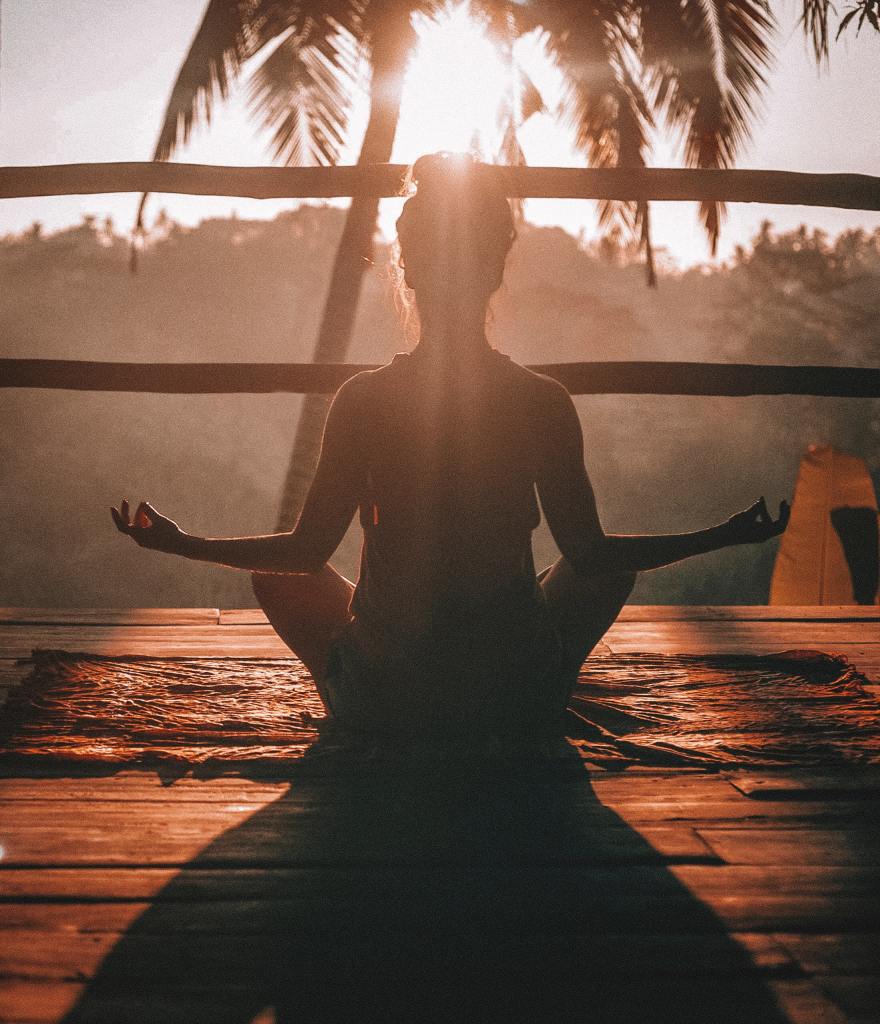
- Practice relaxation techniques such as deep breathing exercises, meditation, etc.
- Seek support from family/friends/support group/community
- Keeping a journal may help to sort out the excessive thoughts and worrying, and may even provide insight and/or clarity on how to handle the issues causing anxiety
- Eat healthy and exercise frequently to trigger mood-enhancing chemicals
As the world continues to be jolted by tumultuous world events and the COVID-19 pandemic, we must continue to place importance on our mental well-being.
 Hands to Heads